
Understanding the Latest Trends in Dental Technology and Treatments


The Evolution of Dental Technology
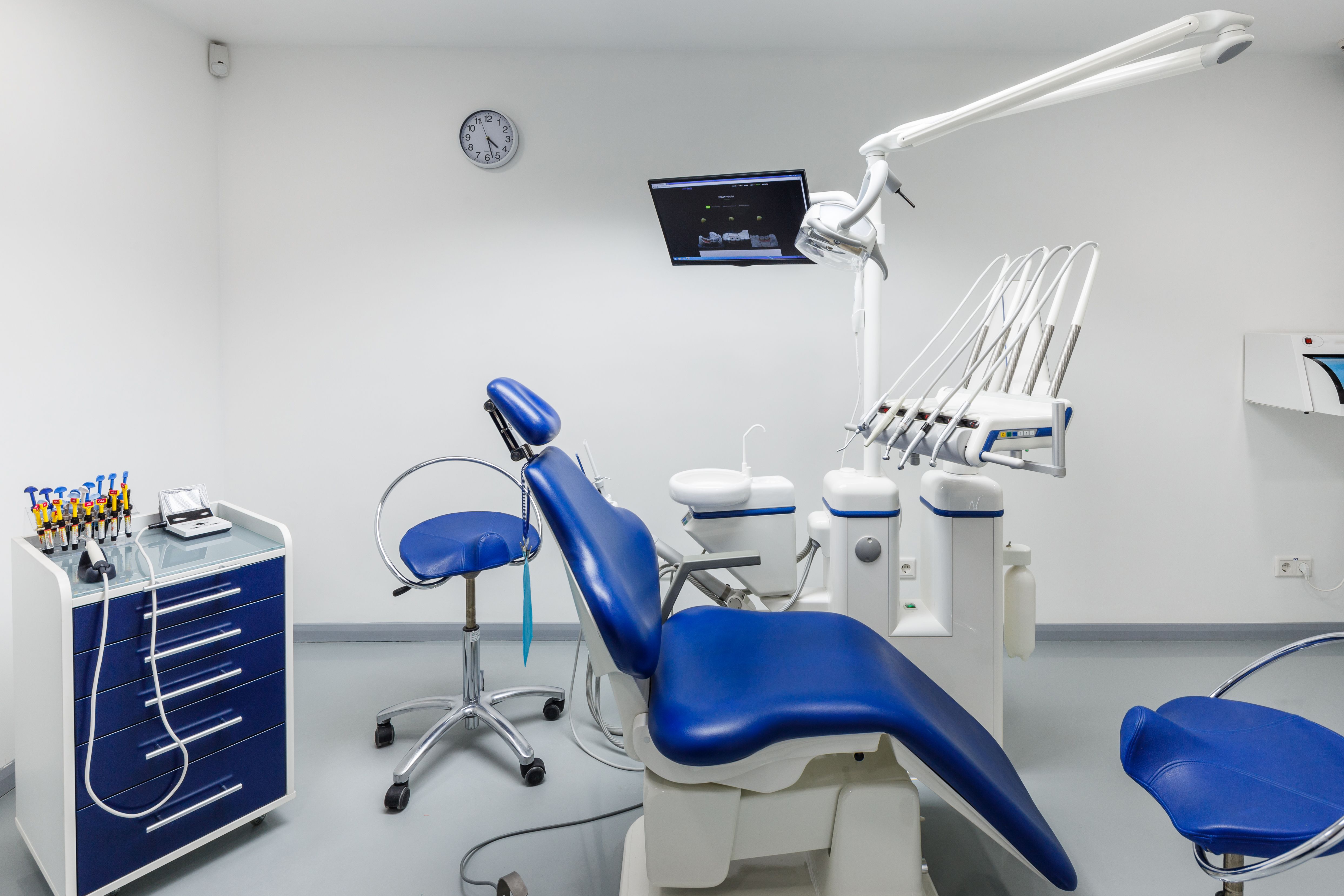
The field of dentistry has seen remarkable advancements over the past few decades. Today, dental technology is transforming how professionals diagnose and treat oral health issues. These innovations not only make treatments more efficient but also enhance patient comfort and outcomes. From digital imaging to laser treatments, understanding these trends is essential for both dental professionals and patients.
Digital Imaging and Diagnostics
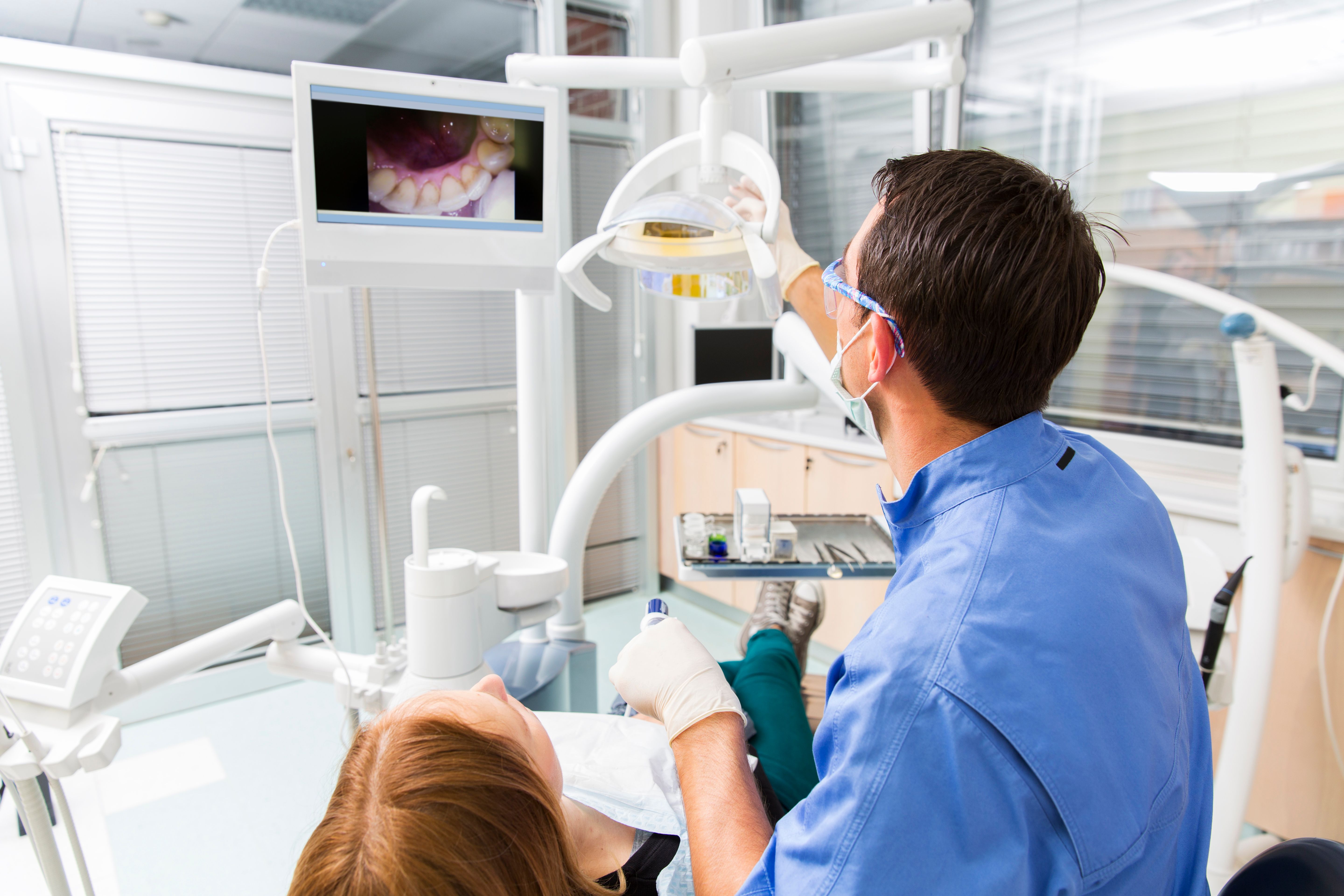
One of the most significant advancements is in digital imaging. Traditional X-rays are being replaced by digital radiography, which provides clearer images with significantly less radiation exposure. This allows for more accurate diagnoses and personalized treatment plans. Additionally, 3D imaging technologies, such as cone beam computed tomography (CBCT), offer detailed views of the teeth, soft tissues, nerve pathways, and bone, facilitating comprehensive evaluations.
Laser Dentistry
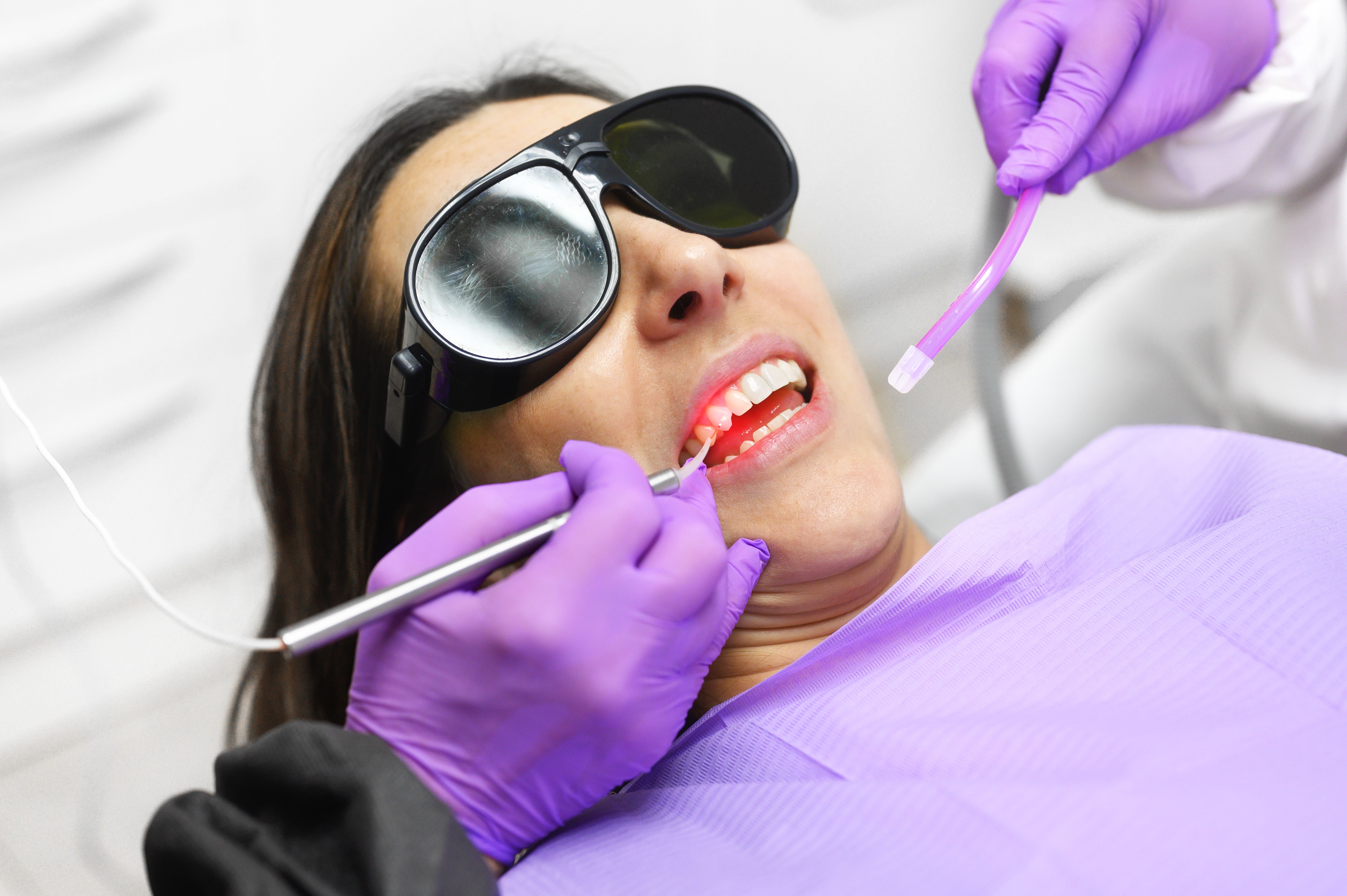
Laser technology is revolutionizing dental treatments by providing a less invasive option for many procedures. Lasers are used for a variety of applications, including cavity removal, gum reshaping, and even teeth whitening. The precision of laser dentistry means reduced discomfort and faster healing times. Patients who experience anxiety over traditional drills may find laser treatments a more comfortable alternative.
Advancements in Restorative Dentistry
Restorative dentistry has also seen significant improvements, particularly with the advent of CAD/CAM technology. This computer-aided design and manufacturing process allows for the creation of precise dental restorations, such as crowns and bridges, in a single visit. This not only saves time but also ensures a perfect fit, enhancing the durability and appearance of the restoration.
3D Printing in Dentistry
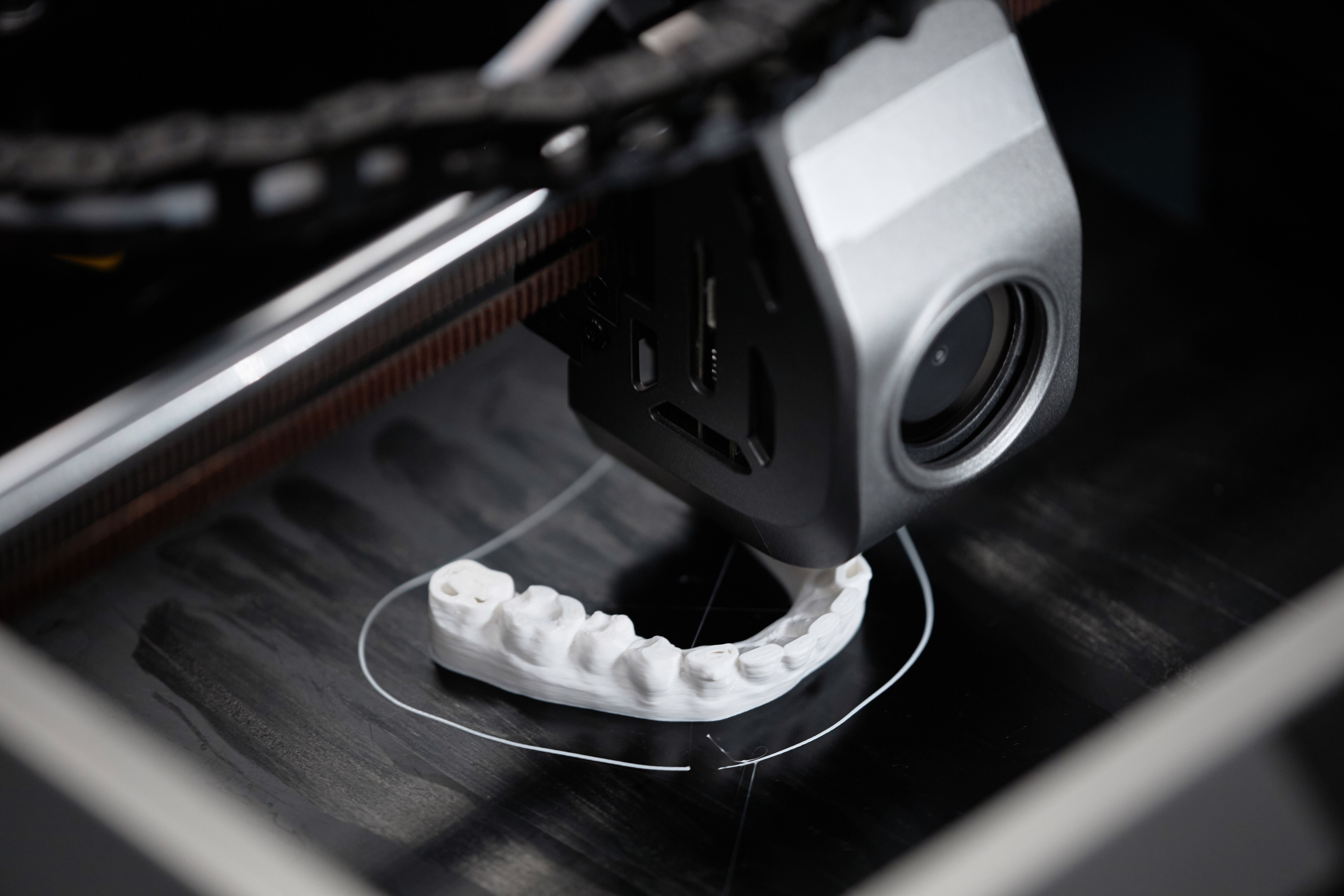
3D printing is another groundbreaking technology making waves in the dental industry. It is used to produce custom dental implants, aligners, and even dentures with remarkable accuracy. This technology reduces production time and costs while allowing for a high degree of customization tailored to individual patient needs.
Innovations in Preventive Care
Preventive care remains a cornerstone of dental health, and technology continues to enhance these efforts. Smart toothbrushes equipped with sensors can now track brushing habits and provide feedback via smartphone apps. These tools encourage better oral hygiene practices by offering real-time data and personalized tips.
Tele-dentistry
The rise of tele-dentistry has also been pivotal, especially in improving access to care. Through virtual consultations, patients can receive professional advice and preliminary diagnoses without leaving their homes. This is particularly beneficial for individuals in remote areas or those with mobility issues.
Conclusion
Understanding the latest trends in dental technology is crucial for staying informed about the best available treatments. These innovations not only improve the quality of care but also enhance patient experience. As technology continues to advance, the future of dentistry promises even more exciting developments that will further transform oral health care.