
Understanding the Latest Trends in Dental Technology


Introduction to Dental Technology Trends
In recent years, dental technology has undergone remarkable advancements that are revolutionizing the way dental care is delivered. From enhanced diagnostics to innovative treatment methods, these trends are shaping the future of dentistry. Understanding these trends can help both patients and dental professionals stay ahead in the field.
3D Printing in Dentistry
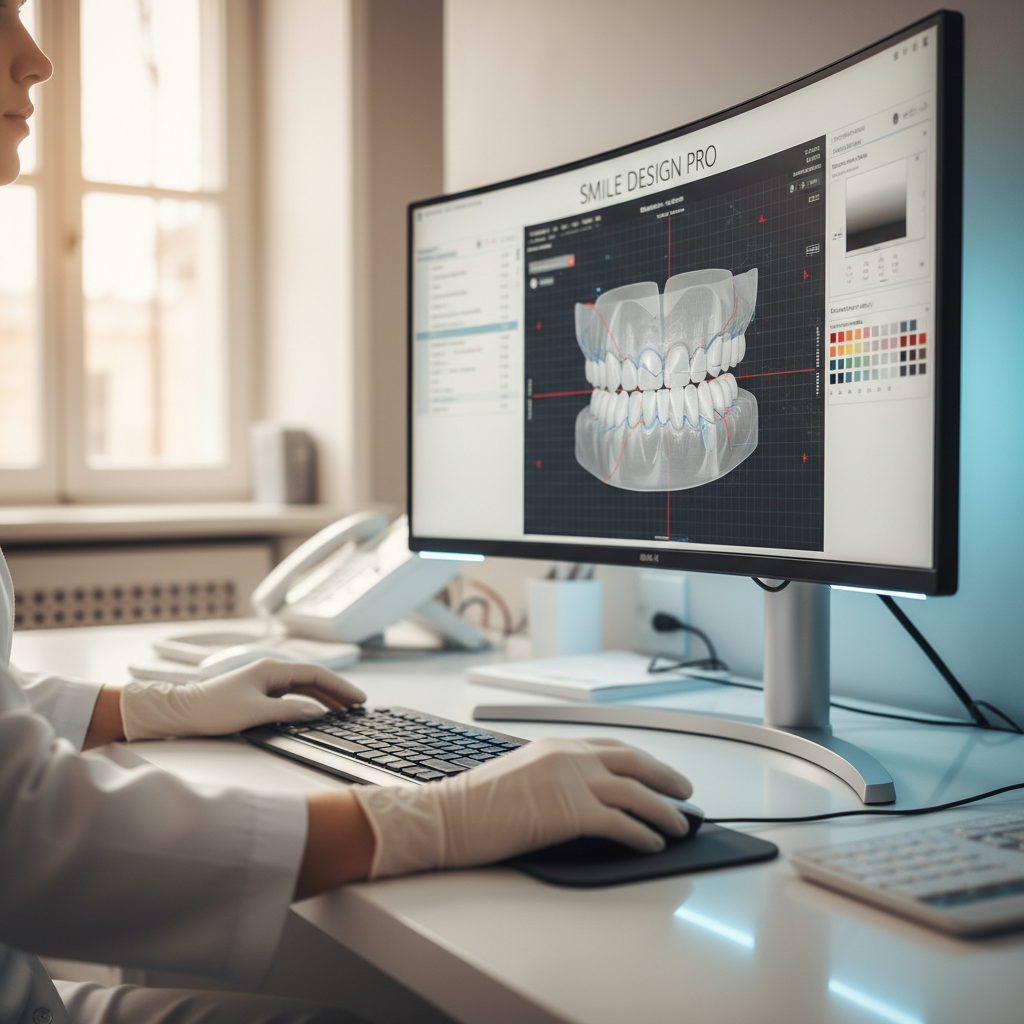
One of the most exciting trends in dental technology is the use of 3D printing. This technology offers a quick and cost-effective way to create dental models, crowns, bridges, and even dentures. With precision and customization at its core, 3D printing is transforming restorative dentistry.
Dental professionals can now produce high-quality prosthetics in a fraction of the time it used to take, improving patient satisfaction and reducing chair time. The ability to customize each piece to fit the patient's exact needs is a game changer.
Laser Dentistry
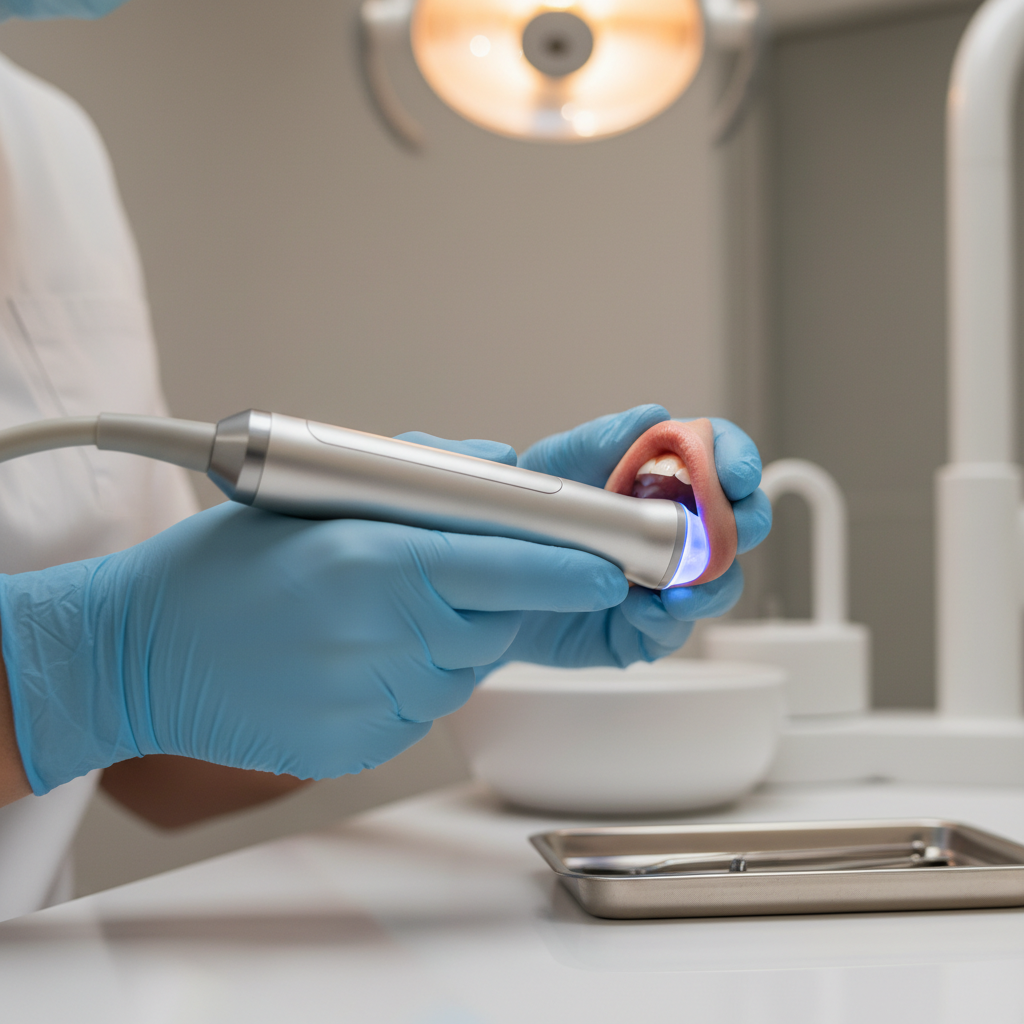
Laser technology is making significant inroads in dental practices. Laser dentistry is known for its precision and minimally invasive nature, making procedures less painful and recovery times shorter. This technology is used in a variety of treatments, including cavity detection, gum reshaping, and teeth whitening.
Benefits of Laser Dentistry
- Reduced need for anesthesia
- Minimized bleeding and swelling
- Faster healing times
Digital Impressions
The days of uncomfortable, gooey dental impressions are being replaced by digital impressions. This technology uses advanced scanning devices to create accurate 3D models of the patient's teeth and gums. Not only does this improve the patient experience, but it also enhances the accuracy of the final dental product.
Digital impressions provide a more precise fit for crowns, bridges, and aligners, leading to better outcomes and fewer adjustments. This trend is a win-win for both patients and dental practitioners.
Teledentistry
The rise of teledentistry is another trend that is making dental care more accessible. With the help of digital communication tools, patients can consult with their dentists remotely. This is particularly beneficial for routine check-ups and consultations, reducing the need for in-person visits.
Teledentistry is not only convenient but also offers a broader reach, allowing dental professionals to serve patients in remote areas or those with mobility issues.
Conclusion
The integration of these latest trends in dental technology is set to enhance the quality of care and improve patient outcomes. As these technologies continue to evolve, they promise to make dental procedures more efficient, comfortable, and accessible. Staying informed about these trends is essential for anyone involved in the dental field.