
Myth-Busting: Common Misconceptions About Dental Care


Understanding Dental Care Myths
When it comes to dental care, many misconceptions can lead to poor oral health practices. It's essential to separate fact from fiction to ensure we maintain healthy teeth and gums. In this post, we'll debunk some of the most common myths about dental care.

Myth 1: Brushing Harder Cleans Better
One of the most prevalent myths is that brushing harder will clean your teeth more effectively. In reality, brushing too hard can damage your enamel and irritate your gums. It's important to use a soft-bristled toothbrush and gentle, circular motions to clean your teeth properly.
Aim to brush for at least two minutes, twice a day, and make sure to replace your toothbrush every three to four months.
Myth 2: Sugar Is the Sole Cause of Cavities
While sugar does contribute to cavities, it's not the only culprit. Cavities are caused by bacteria in the mouth that produce acid when they break down carbohydrates. This means that foods like bread, crackers, and even fruit can also lead to cavities if proper oral hygiene is not maintained.

To prevent cavities, it's crucial to maintain a balanced diet, brush and floss regularly, and visit your dentist for routine check-ups.
Myth 3: You Only Need to See a Dentist When You Have Pain
Many people believe that dental visits are only necessary when they're experiencing pain or discomfort. However, regular dental check-ups are crucial for maintaining oral health and catching potential issues early. Dentists can detect problems before they become painful or require extensive treatment.
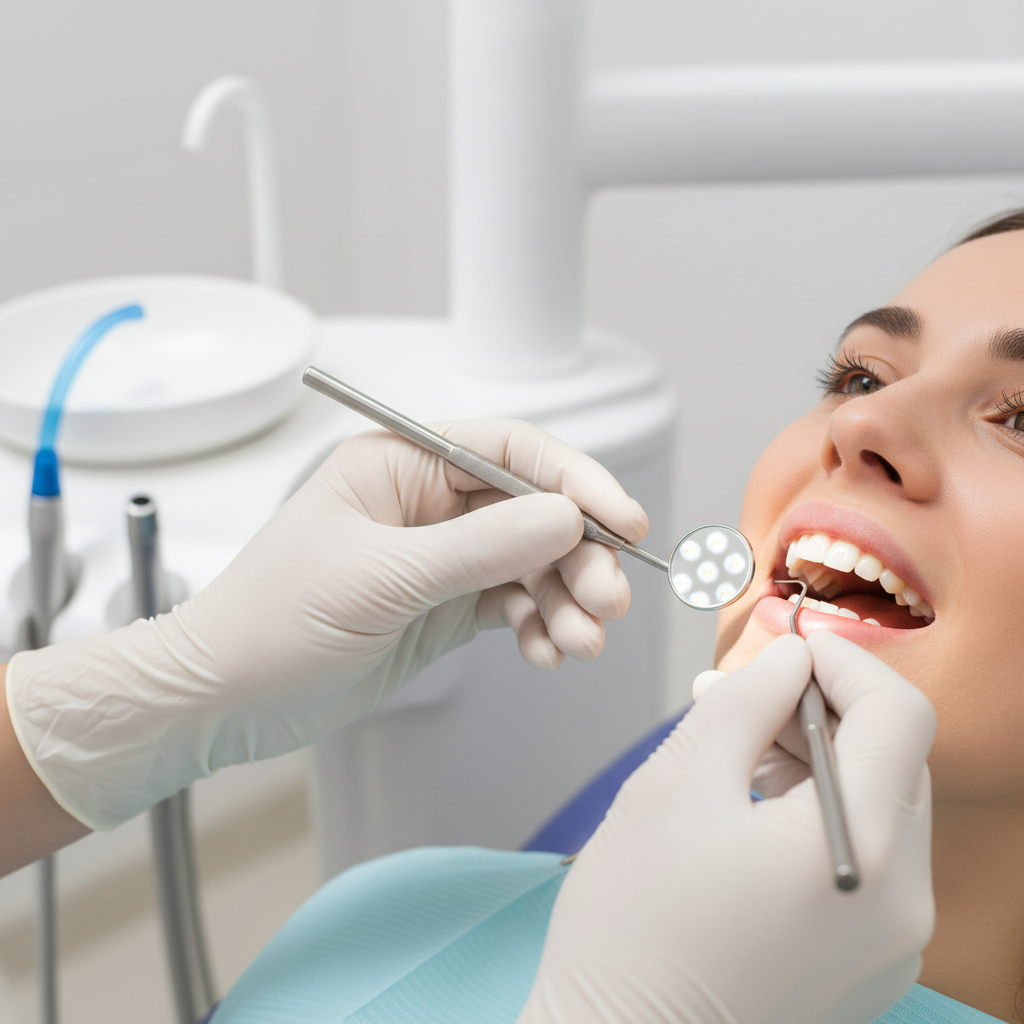
It's recommended to visit your dentist every six months for a cleaning and examination.
Myth 4: Whitening Damages Your Teeth
Some people avoid teeth whitening treatments because they fear it will harm their enamel. However, when done correctly, whitening is safe and effective. It's important to use products approved by dental professionals and follow their guidelines to avoid any potential damage.
Consult your dentist before starting any whitening treatments to ensure they're right for you.
Myth 5: Bleeding Gums Are Normal
Many believe that bleeding gums are a normal part of brushing or flossing. However, bleeding gums can be a sign of gum disease, which requires attention. If you notice persistent bleeding, it's essential to consult with your dentist to address the issue promptly.
Improving your oral hygiene routine and ensuring regular dental visits can help prevent gum disease and maintain gum health.
Conclusion: Fact-Checking for Better Oral Health
Understanding the truth behind these myths is vital for maintaining optimal dental health. By debunking these misconceptions, you can make informed decisions about your oral care routine. Remember, a proactive approach to dental health can lead to a brighter, healthier smile.