
Debunking Common Dental Myths: Fact vs. Fiction


Introduction to Dental Myths
Oral health is an essential part of our overall well-being, yet there are many misconceptions about dental care that persist. These myths can lead to poor dental habits and unnecessary anxiety about dental visits. In this blog post, we will explore some of the most common dental myths and separate fact from fiction.

Myth: White Teeth Are Healthy Teeth
One of the most prevalent myths is that if your teeth are white, they must be healthy. While white teeth can be a sign of good oral hygiene, they don't necessarily indicate overall dental health. Teeth can be white yet still have cavities, gum disease, or other underlying issues. Regular dental check-ups are crucial for maintaining true oral health.
The Role of Genetics and Lifestyle
Teeth color can be influenced by genetics and lifestyle factors such as diet, smoking, and even certain medications. It's important to focus on maintaining healthy gums and strong enamel rather than just the color of your teeth.
Myth: Sugar Is the Sole Cause of Cavities
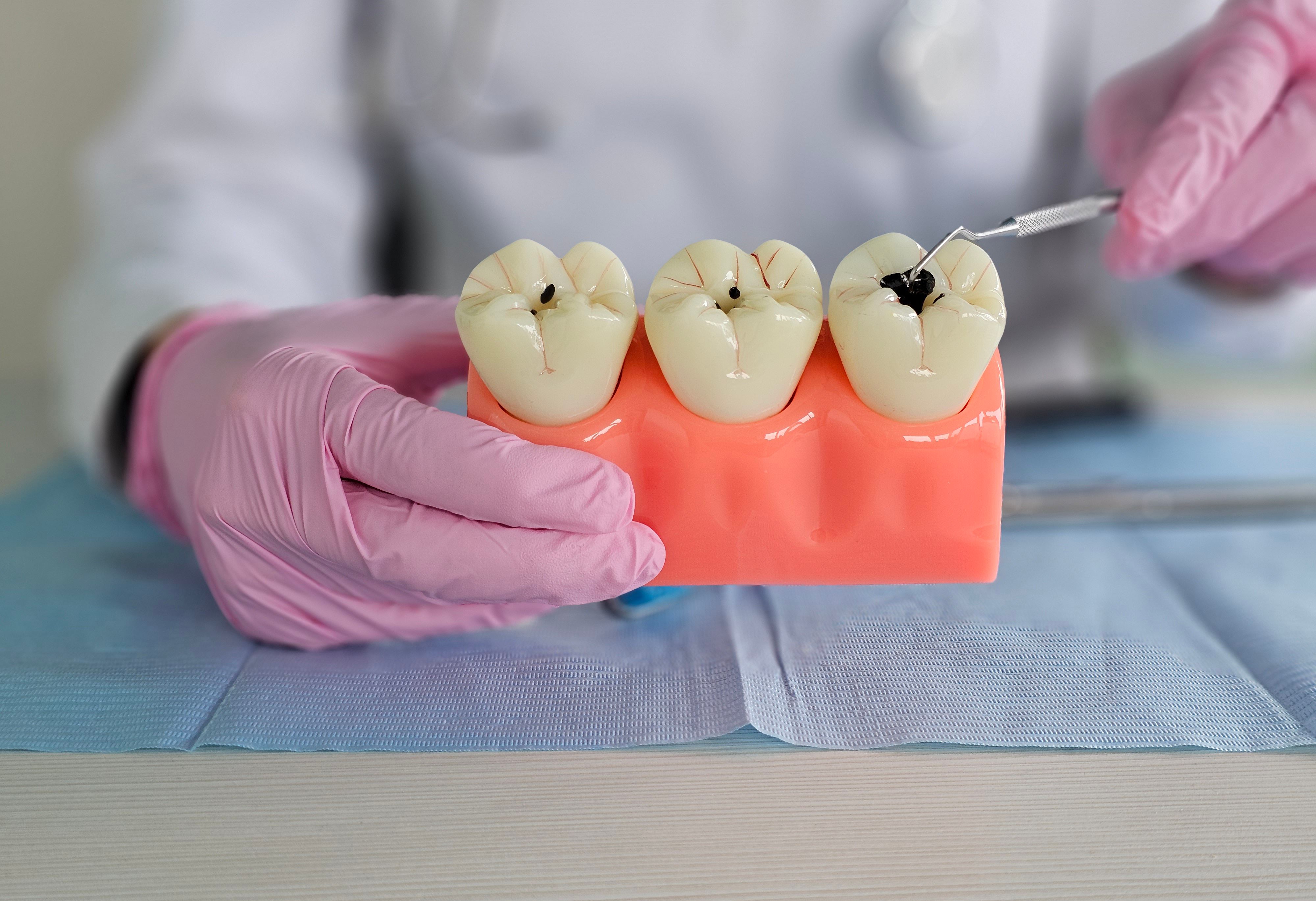
While sugar does play a significant role in the development of cavities, it's not the only culprit. Cavities are caused by the interaction of bacteria in the mouth with carbohydrates, leading to acid production that erodes tooth enamel. Foods like bread, pasta, and even fruits can contribute to cavity formation.
Preventive Measures
To prevent cavities, it's essential to maintain good oral hygiene by brushing twice a day, flossing regularly, and visiting your dentist for routine cleanings. Limiting sugary snacks and drinks can also make a significant difference.
Myth: Brushing Harder Cleans Better
Many people believe that brushing harder will remove more plaque and lead to cleaner teeth. However, brushing too hard can actually damage your gums and wear down tooth enamel. It's more effective to use a soft-bristled toothbrush and gentle, circular motions.
Proper Brushing Techniques
To ensure you're brushing effectively, hold your toothbrush at a 45-degree angle to your gums and move it gently across your teeth. Make sure to brush for at least two minutes, covering all surfaces of your teeth.

Myth: You Shouldn't Visit the Dentist If You Have No Pain
Some people think that as long as they aren't experiencing any pain, they don't need to visit the dentist. However, many dental issues, such as gum disease or early-stage cavities, may not cause pain until they become more severe. Regular dental check-ups can help catch these issues early, preventing more significant problems down the line.
Benefits of Regular Check-Ups
Routine visits to the dentist allow for professional cleanings, early detection of potential issues, and personalized advice for maintaining optimal oral health. Don't wait for pain to be your guide; prevention is always better than cure.

Conclusion
Understanding the facts behind common dental myths can help you make informed decisions about your oral health. By debunking these misconceptions, you can focus on effective practices that promote a healthy smile. Remember, regular dental visits and proper oral hygiene are key to maintaining your dental well-being.