
Common Dental Problems in Namibia and How to Prevent Them


Understanding Common Dental Problems in Namibia
Dental health is crucial to overall well-being, yet many people in Namibia face common dental issues that can affect their quality of life. Understanding these problems and knowing how to prevent them can lead to healthier smiles and fewer visits to the dentist.

Tooth Decay
Tooth decay is a prevalent issue in Namibia, often caused by a diet high in sugar and poor oral hygiene practices. When plaque accumulates on the teeth, it produces acids that can erode the enamel, leading to cavities.
Prevention is key. Brushing twice a day with fluoride toothpaste, flossing daily, and reducing sugar intake can significantly lower the risk of tooth decay. Regular dental check-ups are also essential for early detection and management.
Gum Disease
Gum disease, or periodontal disease, is another significant concern. It starts as gingivitis, characterized by red, swollen gums that may bleed easily. If left untreated, it can progress to more severe forms, leading to tooth loss.

To prevent gum disease, it is crucial to maintain excellent oral hygiene. This includes brushing and flossing regularly, using an antibacterial mouthwash, and visiting the dentist for cleanings. Quitting smoking can also greatly reduce the risk.
Tooth Sensitivity
Many Namibians suffer from tooth sensitivity, which can cause discomfort when consuming hot, cold, or sweet foods and drinks. This condition often results from worn enamel or exposed tooth roots.
Using toothpaste designed for sensitive teeth and maintaining proper oral hygiene can help alleviate symptoms. Avoiding acidic foods and drinks can also prevent further enamel erosion.

Oral Cancer
Though less common, oral cancer poses a serious health risk. Risk factors include tobacco use, excessive alcohol consumption, and HPV infection. Early detection is vital for successful treatment.
Regular dental check-ups can aid in early detection. Avoiding tobacco products and limiting alcohol intake are effective preventive measures. Additionally, maintaining a balanced diet rich in fruits and vegetables supports oral health.
Misaligned Teeth
Misaligned teeth, or malocclusion, can lead to issues with chewing, speech, and oral hygiene. This problem can be genetic or result from habits such as thumb sucking or prolonged use of a pacifier during childhood.
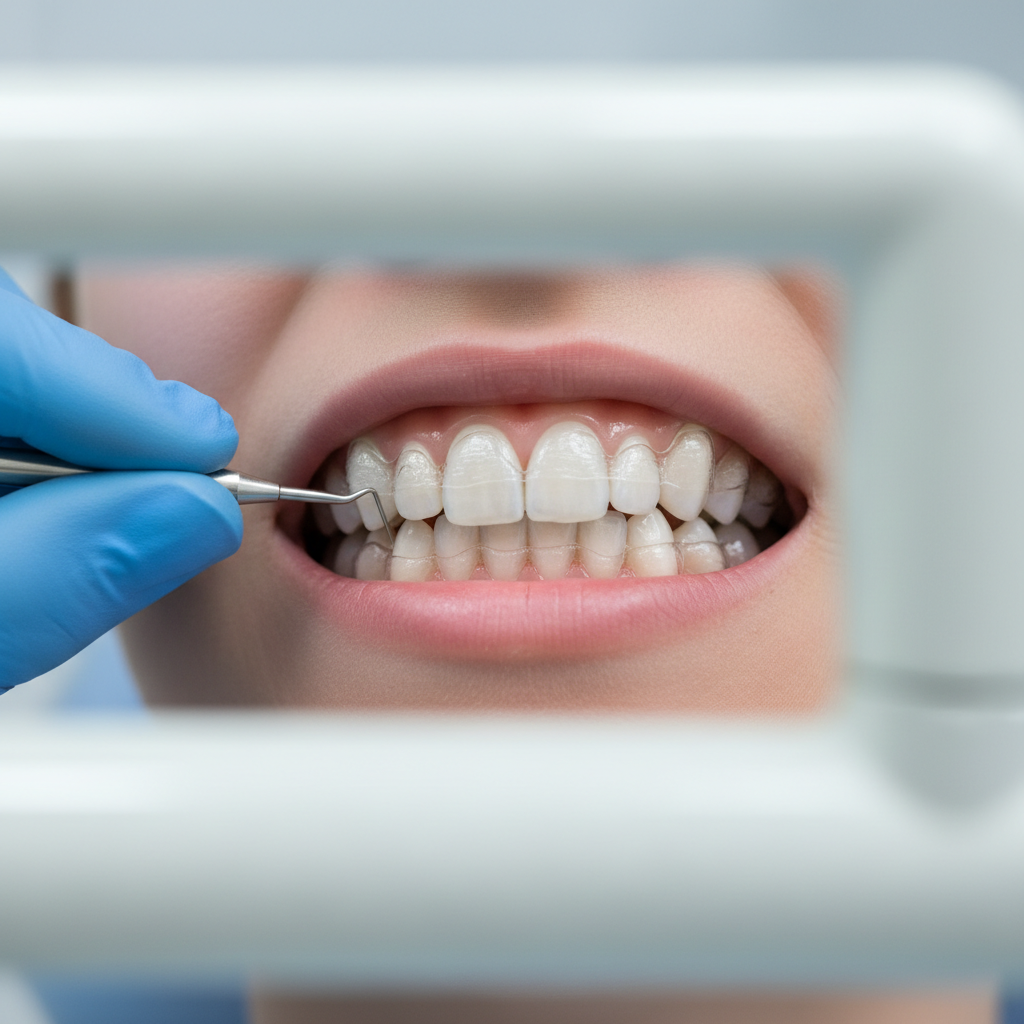
Orthodontic treatment, such as braces, can correct misaligned teeth. Early intervention during childhood can prevent more severe problems later in life. Regular dental visits can help monitor and address alignment issues promptly.
Conclusion
Addressing common dental problems in Namibia requires a proactive approach to oral health. By understanding these issues and implementing preventive measures, individuals can maintain healthier teeth and gums. Regular dental visits, combined with good oral hygiene practices, play a critical role in preventing and managing these dental concerns.